
FRP Tubes vs. Steel Tubes: A Comprehensive Comparison
Introduction:
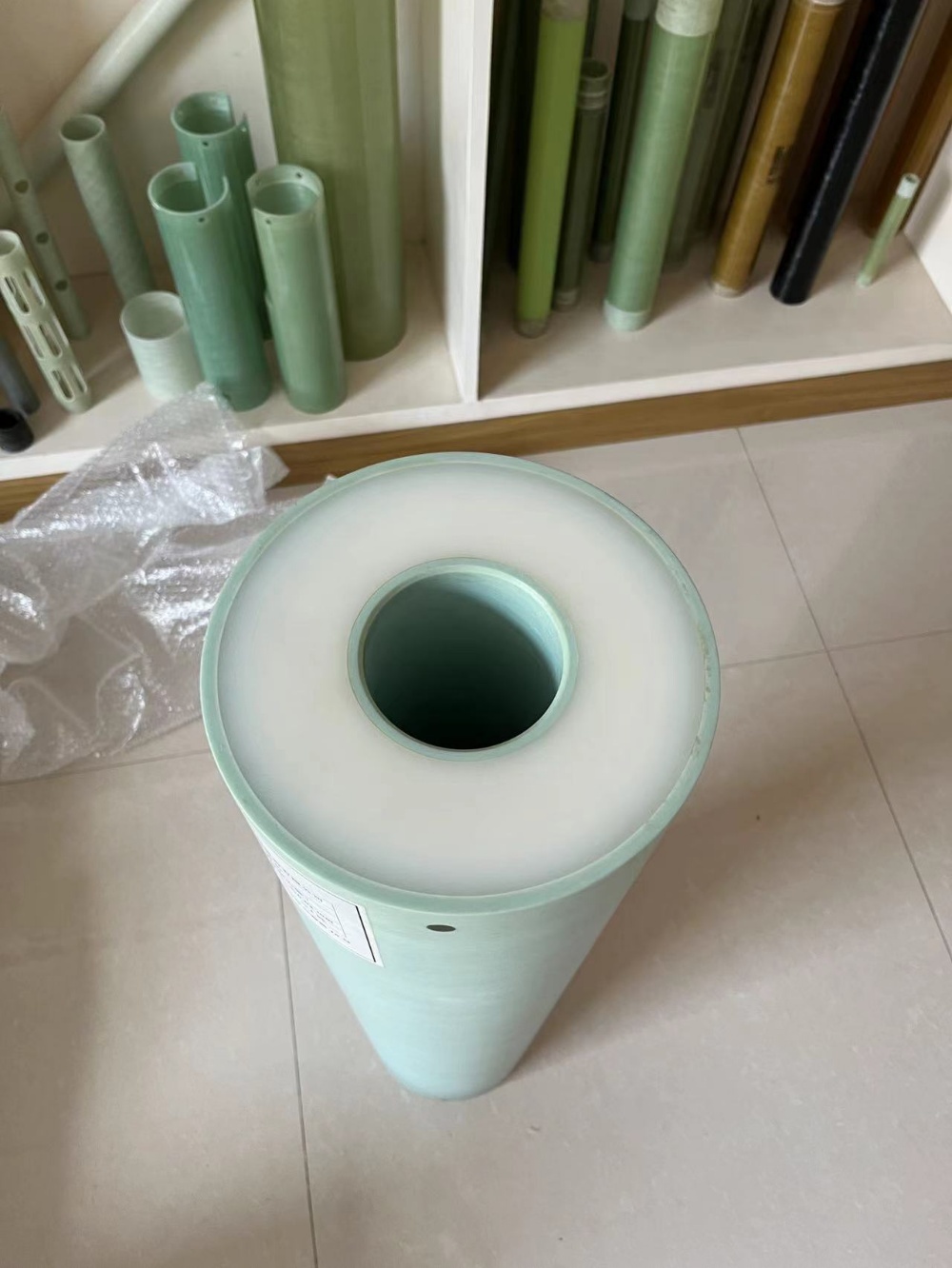
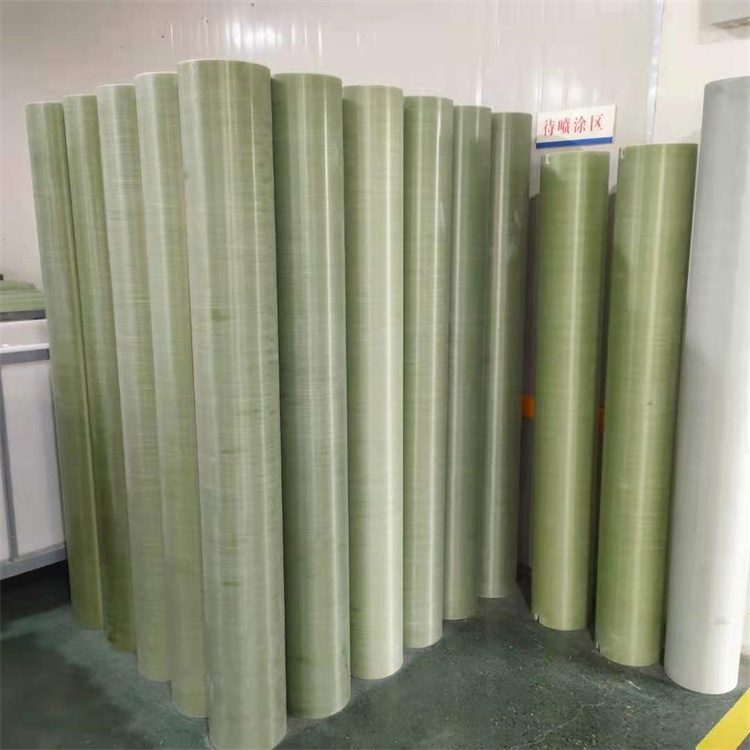
Advantages of FRP Tubes:
Lightweight: One of the primary advantages of FRP tubes over steel tubes is their light weight. FRP tubes weigh only a fraction of what steel tubes weigh, making them much easier to transport and install.
Non-conductive: FRP tubes are non-conductive, which means they do not conduct electricity. This makes them an excellent choice for applications where electrical conductivity could pose a hazard, such as in the mining industry.
Longer lifespan: FRP tubes have a longer lifespan than steel tubes due to their resistance to corrosion and weathering. They also require less maintenance, making them more cost-effective in the long run.
Advantages of Steel Tubes:
Higher strength and durability: Steel tubes possess high strength and are highly durable, making them suitable for use in heavy-duty applications.
Widely available and easy to obtain: Steel is a widely available material, making it easy to obtain and manufacture steel tubes.
Cheaper in terms of material cost: Steel is more affordable than FRP, making steel tubes a cost-effective solution for some applications.
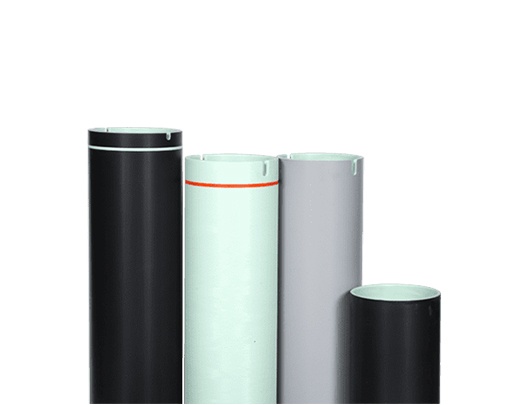
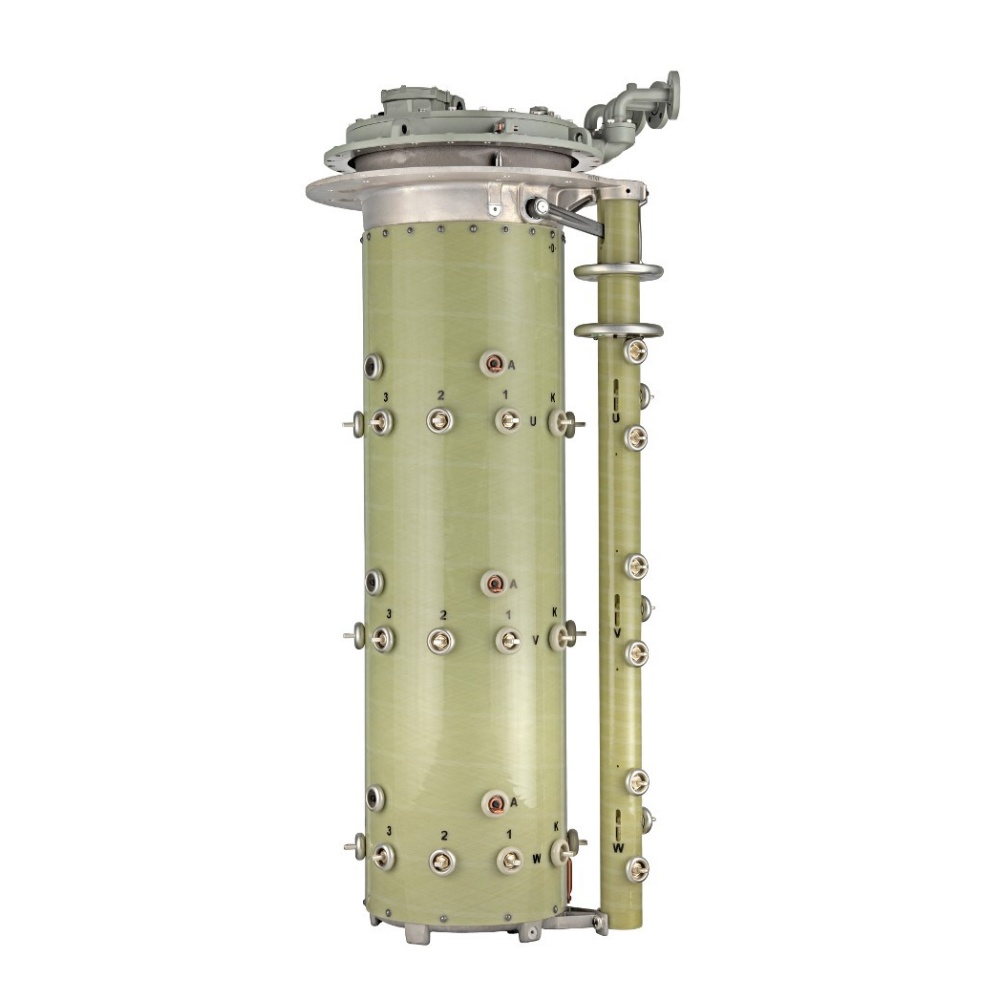
Disadvantages of FRP Tubes:
More expensive compared to steel tubes: FRP tubes are more expensive than steel tubes, primarily due to the cost of the raw materials used to make them.
Not suitable for high-temperature applications: FRP tubes are not suitable for use in high-temperature applications as they can degrade under high temperatures.
Limited options in terms of diameter and thickness: FRP tubes come in limited sizes, which may limit their use in certain applications.
Requires skilled labor for installation: FRP tubes require skilled labor to install due to their unique properties, which may increase installation costs.
Disadvantages of Steel Tubes:
Heavy and difficult to transport: Steel tubes are heavy and difficult to transport, requiring specialized equipment and resources to move them.
Prone to corrosion and rusting: Steel tubes are prone to corrosion and rusting, especially when exposed to moisture or corrosive environments.
Shorter lifespan due to corrosion: Steel tubes have a shorter lifespan than FRP tubes due to their susceptibility to corrosion.
Applications of FRP Tubes:
Chemical processing plants: FRP tubes are ideal for use in chemical processing plants due to their excellent chemical resistance properties.
Water and wastewater treatment: FRP tubes are well-suited for use in water and wastewater treatment plants due to their resistance to chemicals and corrosive environments.
Marine industry: FRP tubes are commonly used in marine applications due to their resistance to saltwater and harsh environmental conditions.
Applications of Steel Tubes:
Construction industry: Steel tubes are widely used in the construction industry for building structures and infrastructure due to their strength and durability.
Transportation industry: Steel tubes are used in the transportation industry for a range
Comparison table of FRP tube and streel tube
| Parameters | FRP Tubes | Steel Tubes |
|---|---|---|
| Material Properties | ||
| Density | Low | High |
| Strength | High stiffness and strength-to-weight ratio, but lower tensile strength than steel | High tensile strength |
| Corrosion resistance | Excellent resistance to chemical corrosion and rust | Prone to rust and corrosion without protective coating |
| Conductivity | Non-conductive | Conductive |
| Heat Resistance | Limited resistance to high temperatures | High resistance to high temperatures |
| Weather Resistance | Susceptible to UV radiation and weathering | Resistant to weathering |
| Manufacturing Process | ||
| Cost | More expensive than steel tubes | Cheaper than FRP tubes |
| Manufacturing Time | Longer manufacturing time due to complex manufacturing process | Shorter manufacturing time |
| Production Ability | Limited range of sizes available | Wide range of sizes available |
| Installation and Maintenance | ||
| Installation | Requires skilled labor for installation | Requires specialized tools and equipment for installation |
| Maintenance | Low maintenance required due to excellent corrosion resistance | Requires ongoing maintenance to prevent rust and corrosion |


